

About the Author
Dr. Tamar Marie Boyadjian is a poet, fantasy author, translator, editor, and medievalist. She holds the distinction of being the first US-born poet to publish a collection in the endangered language of Western Armenian, as well as the first to author a fantasy series, The Mepe & the Dragon, in the language.
Her work operates at the intersection of medieval Mediterranean studies, Armenian literature, and questions of language and identity. She is deeply committed to amplifying Armenian women writers and creatives working in endangered languages.
She teaches Armenian language courses at Stanford University.
"An exquisite volume… the depths as well as the insights presented in these articles are breathtaking. JSAS is receiving global recognition in the field of Armenian Studies."
— society for armenian studies
CRITICAL PRAISE
From journals to newsrooms: how the work is landing.
"Any work on the crusader period that makes use of sources in Latin, Arabic and Armenian deserves close attention, and Tamar M. Boyadjian’s The City Lament is no exception."
— The medieval review
"Boyadjian is not only resurrecting a past, but also exploring new worlds… her forthcoming book will be the first fantasy series written in Western Armenian by a U.S.-born author."
— The Armenian Weekly
Selected Translations
Where Armenian stories find new readers.


Other Projects

Western Armenian Women of Letter | Արեւմտահայ Գրագէտներ
calendar
In collaboration with Arpi Krikorian and Maral Aktokmakyan, this calendar chronicles the names and excerpts of pioneering Western Armenian women writers, ensuring their vital contributions to global literature forever remain visible, celebrated, and remembered.
board game
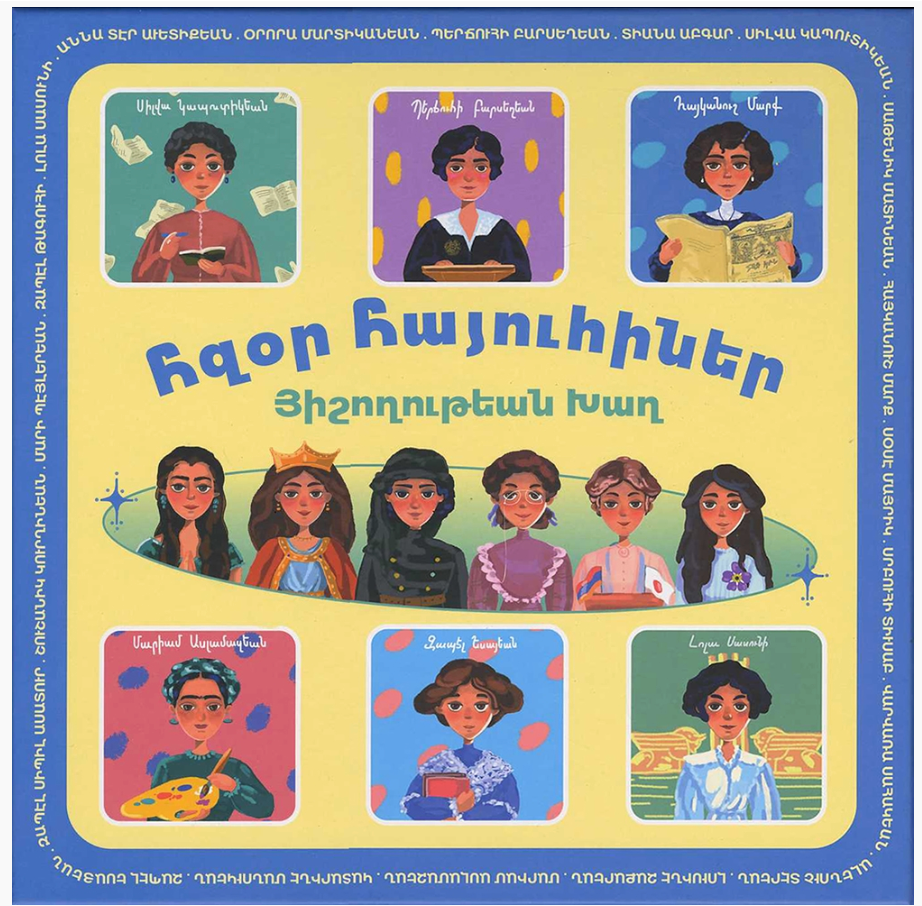
Pioneering Armenian Women | Հզօր Հայուհիներ
With historical biographies written by Tamar Marie Boyadjian and Maral Aktokmakyan, this inaugural memory game transforms the forgotten legacies of twenty pioneering Armenian women into an engaging, elegant educational tool, ensuring their vital contributions to history and literature are actively remembered.